Strategic Affairs & Geopolitics Journal
Published Daily
Saturday, August 8, 2026
 Analysis & Opinion
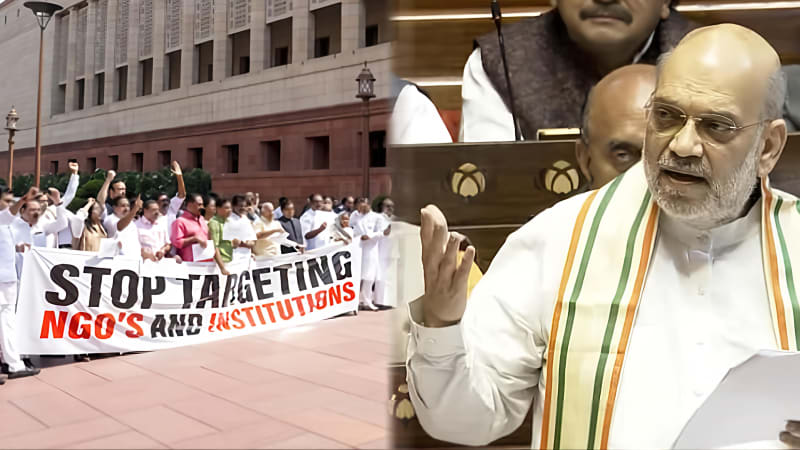
Regulating External Capital: How the FCRA Bill 2026 Reshapes India's Non-Profit Landscape
As India navigates a changing national security and financial compliance landscape, the introduction of the FCRA Amendment Bill 2026 marks a significant shift in how the State monitors cross-border capital. Designed to address persistent legal gaps regarding defunct non-governmental organizations and unmonitored assets, the latest MHA FCRA updates seek to establish an unbroken digital audit trail and strict administrative oversight. Central to the new framework are stringent provisions governing FCRA asset vesting, which empower a Central Designated Authority to provisionally and permanently take custody of infrastructure created through external grants if an organization’s registration is cancelled, surrendered, or deemed lapsed. While international critics view these tighter NGO foreign contribution regulations as a challenge to civil society autonomy, Indian security analysts argue that reforming foreign funding rules in India is an essential act of sovereign self-preservation. Far from being an isolated domestic crackdown, India’s evolving regulatory architecture closely mirrors global standards of foreign agents regulation, such as the US Foreign Agents Registration Act (FARA) and similar frameworks in the UK, Australia, and Canada designed to shield domestic institutions from asymmetric foreign influence. This long-form analytical article examines the structural transition from passive financial auditing to active asset recovery, evaluating its implications for civil society, state sovereignty, and global geopolitical dynamics....
By Abhishek Sharma•August 4, 2026
Latest Analysis
Analysis & Opinion
An Innovation within Crisis: The Rise of Renewable Energy, Biofuels, and the Scope of Nuclear Energy in the Modern World following the 1973 Oil Crisis
Nikhil Deshwal•Jul 5

History & Civilizations
Arthashastra: Kautilya's Timeless Guide to Power, Politics, and Prosperity
Moulikanjali•Jul 4


Analysis & Opinion
View All
Regulating External Capital: How the FCRA Bill 2026 Reshapes India's Non-Profit Landscape
8/4/2026
Analysis & Opinion

An Innovation within Crisis: The Rise of Renewable Energy, Biofuels, and the Scope of Nuclear Energy in the Modern World following the 1973 Oil Crisis
7/5/2025
Analysis & Opinion
America’s Strategic Blunder: Has the US Just Gone ‘Full Pakistan’?
6/12/2025
Analysis & Opinion
Geopolitics
View All
New Revelations on Operation Sindoor’s Pause: Beyond Pakistan
7/7/2025
Geopolitics

Rolls-Royce Offers Jet Engine Co-Development Deal to India, Aims to Outpace Japanese Competition
6/24/2025
Geopolitics

Indian Navy Rescues 18 Crew Members from Burning Singapore-Flagged Ship Off Kerala Coast
6/10/2025
Geopolitics
History & Civilizations
View All
Arthashastra: Kautilya's Timeless Guide to Power, Politics, and Prosperity
7/4/2025
History & Civilizations
The Unsung Saga of Indian Resilience: Defying Early Arab Invasions
6/22/2025
History & Civilizations

A Civilizational Shift: Tracing the Decline of Women’s Status in Indian Society
6/21/2025
History & Civilizations
Social
View AllIndian Politics
View All
Defence & Security
View All
Technology & Warfare
View All
Critical
View All
Latest Posts
View AllRegulating External Capital: How the FCRA Bill 2026 Reshapes India's Non-Profit Landscape
8/4/2026
Analysis & Opinion
New Revelations on Operation Sindoor’s Pause: Beyond Pakistan
7/7/2025
Geopolitics
An Innovation within Crisis: The Rise of Renewable Energy, Biofuels, and the Scope of Nuclear Energy in the Modern World following the 1973 Oil Crisis
7/5/2025
Analysis & Opinion
Arthashastra: Kautilya's Timeless Guide to Power, Politics, and Prosperity
7/4/2025
History & Civilizations

Rooted Empowerment: India’s Path Beyond Performative Feminism
7/3/2025
Social
Critical Global Issues
Stay informed about the most pressing international developments shaping our world
Region
USA
development
Ignorant Trump
Trump's tariffs, intended to protect US industries, triggered global economic disruption. 1 Critics argued they were misused as political tools, leading to retaliatory tariffs and increased consumer costs, particularly for American importers. 2 These tariffs disrupted established supply chains, creating significant business uncertainty and hindering long-term planning. 3 Moreover, the unpredictable nature of these policies strained international relations, undermining multilateral trade agreements and fostering economic nationalism. 4 Many economists pointed out that the tariffs often resulted in higher prices for American consumers, as businesses passed on the added costs. 5 The long-term effects of these policies are still debated, but they undeniably altered the course of international trade.
1 / 3
Global Hotspots
Loading map...
Expert Insights
Learn from our team of distinguished analysts and policy experts
Global Affairs
20+ Experts
Defense Policy
15+ Experts
Economic Analysis
25+ Experts
Diplomatic Relations
30+ Experts

"A king who is situated anywhere immediately on the circumference of the conqueror's territory is termed an enemy. The king who is likewise situated close to the enemy, but separated from the conqueror only by the enemy, is termed a friend."
Chanakya (Kautilya)
Ancient Political Strategist
Statecraft & Diplomacy

"India will engage America, manage China, cultivate Europe, reassure Russia, bring Japan into play, draw neighbours in, extend the neighborhood and expand traditional constituencies of support."
Dr. S. Jaishankar
External Affairs Minister of India
Indian Foreign Policy
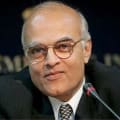
"India's rise as a major power is not a threat to the existing international order but an opportunity to make it more representative and effective."
Shivshankar Menon
Former National Security Advisor
Strategic Affairs

"India's strategic autonomy is not about isolation but about having the freedom to choose partners and policies that serve the nation's interests in a multipolar world."
C. Raja Mohan
Strategic Thinker & Author
Indian Grand Strategy

"India's emergence as a leading power is reshaping global geopolitics. The world is witnessing the rise of a confident India that is ready to take on greater global responsibilities."
Dr. Harsh V. Pant
Professor of International Relations
Indian Foreign Policy